Our Commitment
Transparency in every action
Transparency in every action — from resource distribution to program execution, ensuring donors and beneficiaries always know how support is being used.
Long-lasting impact
Long-lasting impact — by prioritizing sustainable livelihood programs, education, and community development instead of short-term charity.
Dignity-focused service
Dignity-focused service — ensuring every family we support is treated with respect, empathy, and the opportunity to rebuild their lives with confidence.
Why Choose Us?
Kosme Foundation provides a range of humanitarian and development-focused services designed to support families affected by farmers’ suicides across India. Each service is built to address a critical need — from immediate relief to long-term empowerment — ensuring families can rebuild their lives with dignity, stability, and hope.
What We Do?
Family Support & Relief
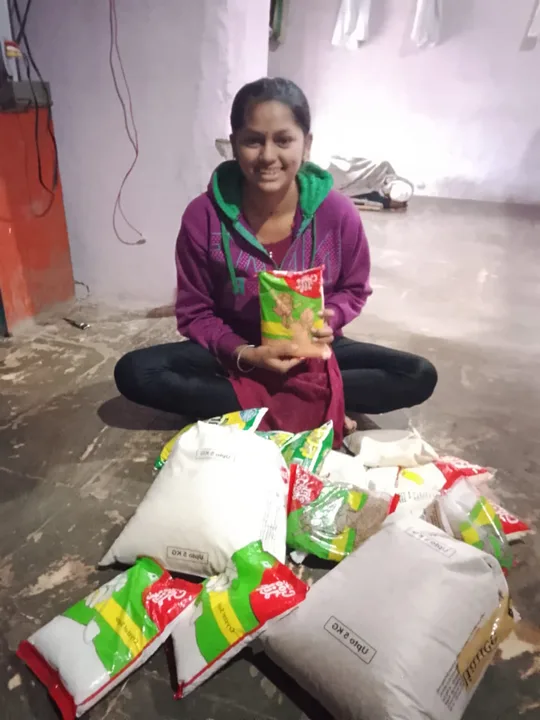
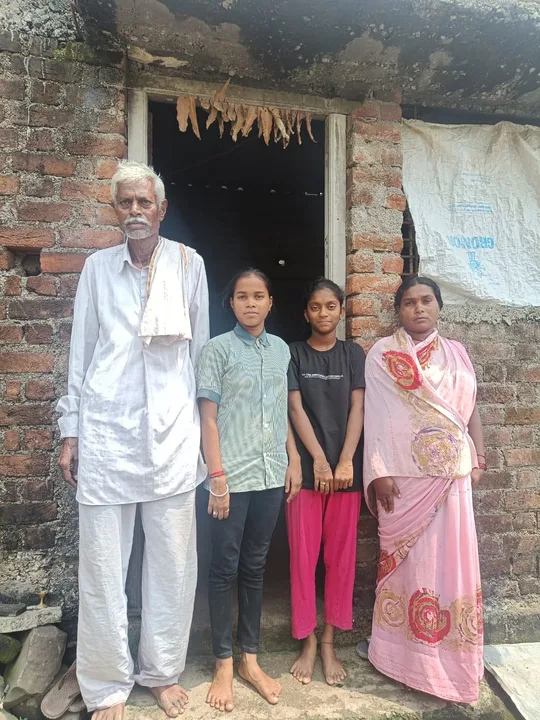
We provide immediate and essential support to families who have lost their primary earning member to agrarian distress. Our relief program ensures that widows and children have access to basic necessities during their most vulnerable phase, giving them emotional and financial stability while they rebuild their lives.
Our support includes:
- Monthly ration kits with grains, pulses, oil, sugar, and essentials
- Emergency assistance for medical, nutritional, and household needs
- Home-delivery and on-ground verification for accountability and reach
Livelihood Development for Widows
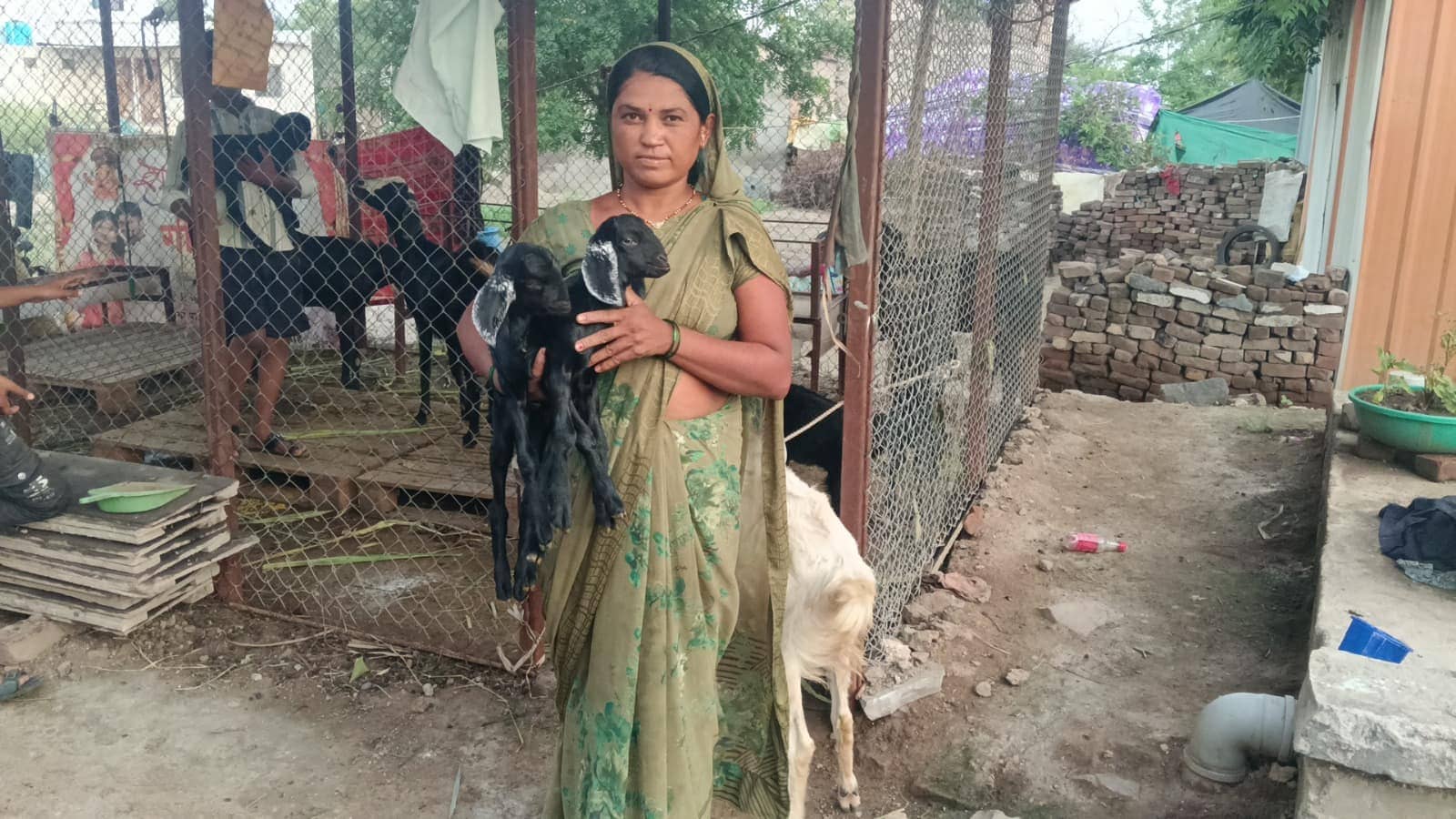
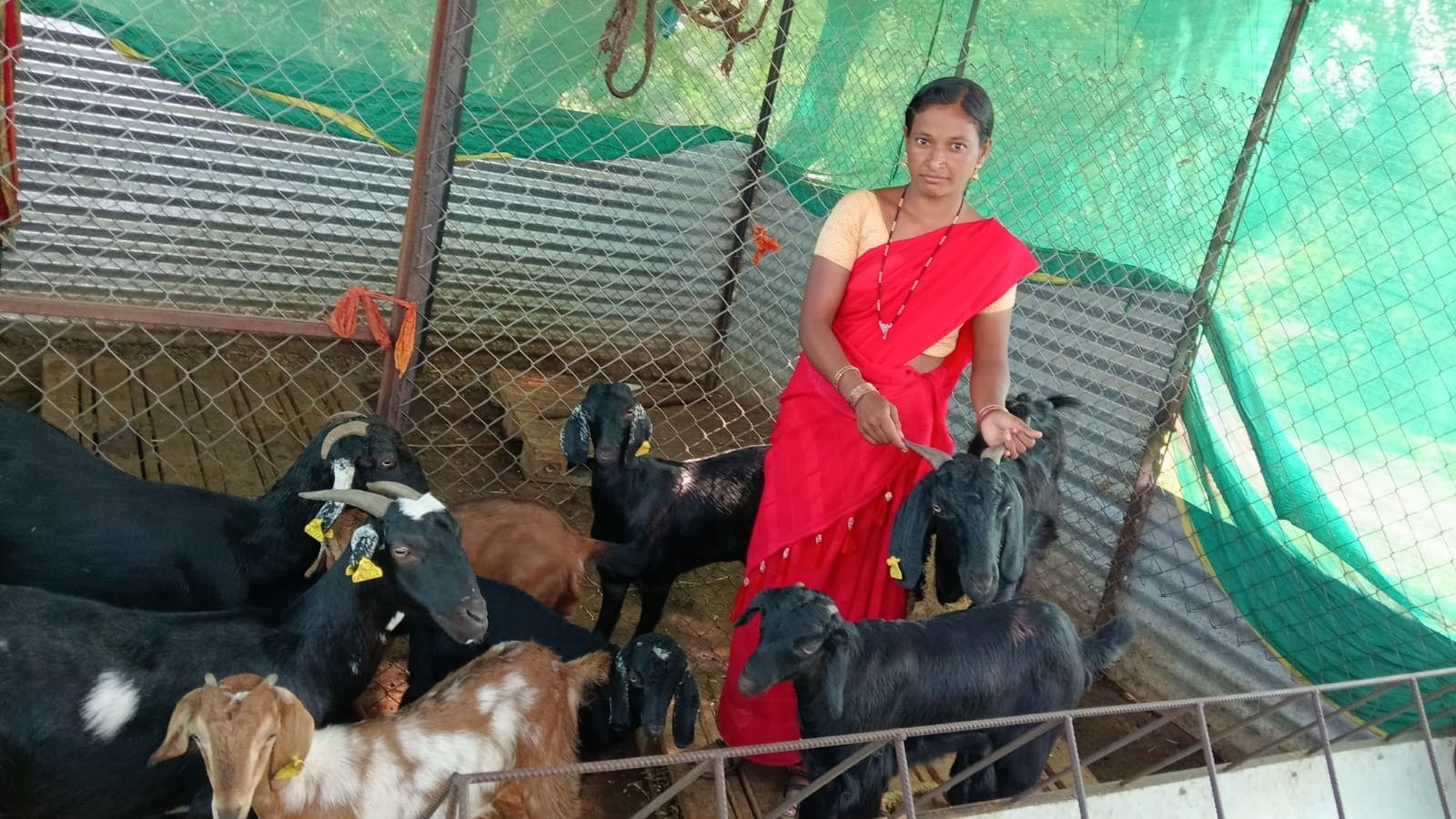
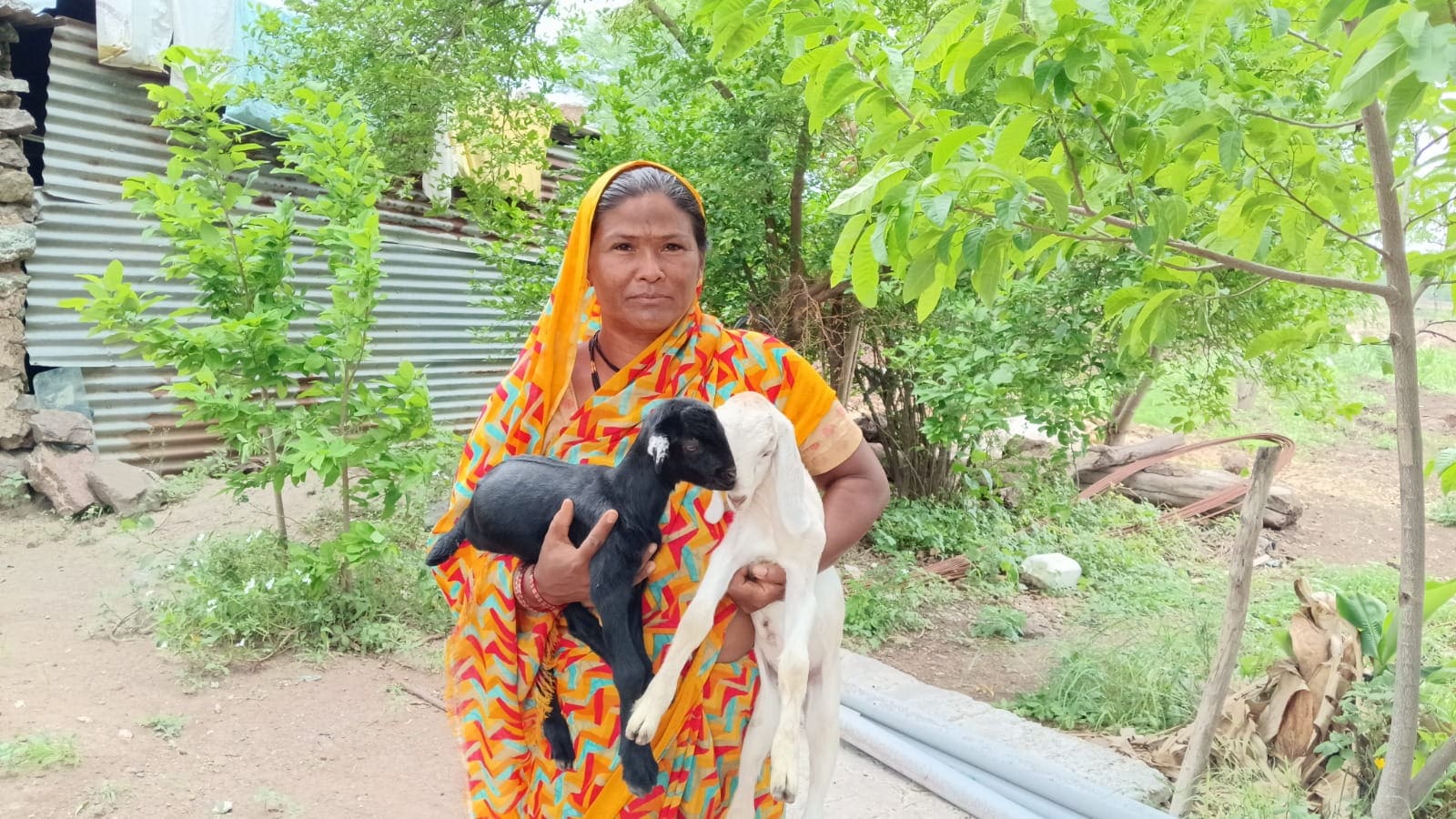
To help widows regain financial independence, Kosme Foundation builds sustainable livelihood opportunities tailored to rural environments. Our structured models—such as goat farming—equip women with skills, assets, and ongoing guidance to generate steady income with dignity.
Our livelihood initiatives include:
- Goat-farming setup support (pucca shed, livestock, and vet guidance)
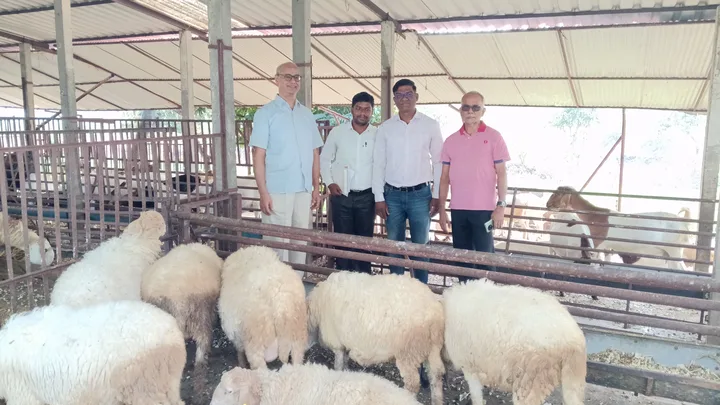
- Hands-on training and monitoring by field experts
- Access to emergency veterinary care and income-tracking support
Educational Support for Children
Children from distressed farming families often face disruptions in schooling after a tragedy. We ensure that education continues smoothly by providing essential resources, mentorship, and access to better learning opportunities.
Our education support includes:
- School kits, uniforms, books, and basic educational supplies
- Fee assistance and support for continued enrollment
- Mentorship and guidance for overall development and confidence
Community Empowerment & Capacity Building
Kosme Foundation works closely with local families and communities to build long-term resilience. Through awareness programs and skill-enhancement sessions, we empower families with the knowledge and confidence needed to take control of their future.
Our empowerment efforts include:
- Workshops on financial literacy, health, and social welfare schemes
- Community-based meetings to build support networks
- Skill-building sessions that enhance earning potential and confidence
Change starts with you
Kosme Foundation works hand in hand with communities to bring relief, empowerment, and lasting change to those who need it most.

Kosme Foundation supports widows and children of farmers who died by suicide with nutrition, livelihood programs and educational sponsorship. Donate or volunteer to restore dignity.
1203, MAYURESH CHAMBERS, PLOT NO. 60, SECTOR NO.11, CBD BELAPUR, NAVI MUMBAI Thane Thane Maharashtra India 400614
Copyright 2026 Kosme Foundation.