














We believe that compassion is a force capable of transcending boundaries and transforming lives. By translating empathy into tangible actions, we strive to alleviate suffering and bring hope to those facing adversity.
Mi tempus imperdiet nulla malesuada pellentesque elit eget gravida.
Life’s most persistent and urgent question is, ‘What are you doing for others?’
Make a monetary donation to reputable humanitarian organizations actively involved in crisis response. Financial contributions provide flexibility and allow organizations to address the most urgent needs.
Organize a fundraising campaign within your community or online platforms to support specific relief efforts or organizations working on the ground.
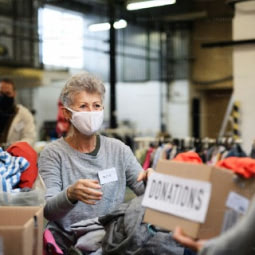
Collect and donate essential items such as non-perishable food, clean water, hygiene products, clothing, blankets, and medical supplies. Coordinate with local charities for proper distribution.
Provide immediate aid to communities affected by natural disasters or conflicts, delivering essentials such as food, clean water, medical supplies, and shelter.
Improve healthcare infrastructure and accessibility in crisis-stricken areas by establishing medical clinics, deploying mobile health units, and training local healthcare professionals.
Implement programs to protect children affected by crises, including psychosocial support, education initiatives, and efforts to prevent child trafficking and exploitation.
Ensure access to clean and safe drinking water by installing water purification systems, digging wells, and distributing water purification kits in areas facing water scarcity.
Address hunger and malnutrition by distributing food aid, establishing community gardens, and implementing sustainable agriculture projects for long-term food security.
Provide temporary shelters, transitional housing, and support for rebuilding homes in areas devastated by natural disasters or conflict.
Ac felis donec et odio. At in tellus integer feugiat scelerisque varius sodales
The theme is wonderful, great performance, and outstanding support!
Mi in nulla posuere sollicitudin aliquam ultrices sagittis orci facilisis magna etiam.
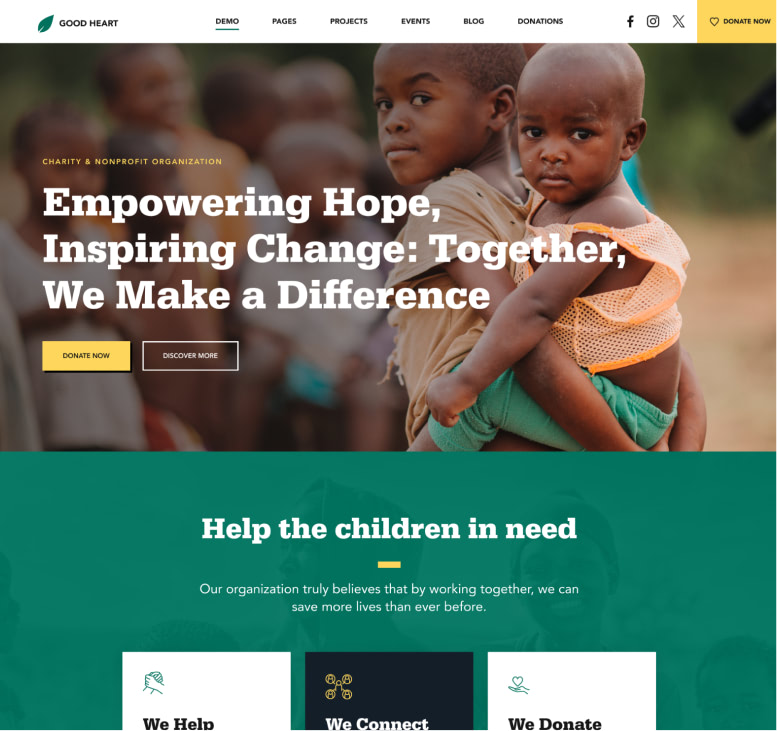
Our organization truly believes that by working together, we can save more lives than ever before.
2972 Westheimer Rd. Santa Ana, Illinois 85486
2715 Ash Dr. San Jose, South Dakota 83475
4140 Parker Rd. Allentown, New Mexico 31134
Copyright 2024 By GoodHeart – Designed By LA-Studio
India is an agrarian country with about 70% of its rural population depending upon agriculture for their livelihood. With unpredictable weather, India has a long history of floods and droughts in most part of the country year after year. Farming in India is fragmented, with most farmers holding one to three acres of land for farming. In the absence of proper irrigation facility or groundwater resource, many farmers are dependent on the weather gods for farming their small parcel of land in every season.
Most farmers being small timers, they do not have any savings and depend on farming just for their livelihood. They borrow from local money lenders at high interest rates for their urgent needs, promising return of the money after harvesting. When disaster strikes in the form of floods or droughts in subsequent years, farmers are unable to repay their loans, resulting in the money lenders harassing them through various means, including threats and social ostracization, leading the farmers to desperation, forcing them to commit suicide. Government sponsored loan wavers are of little help when the loan has been taken from private money lenders.
Of course, not all farmers’ suicide can be traced back to such a situation. Alcoholism, family problems and health etc., are also reasons for farmers to commit suicide. However, data shows that the major reason for farmers suicide is farming distress. On an average, more than 10,000 farmers commit suicide in India every year.
Maharashtra has the highest number of farmers’ suicide. Despite various initiatives taken by successive governments at both State and Central levels by giving several kinds of subsidies and loan wavers etc., the rate of suicide has not shown any meaningful change in the past twenty years.
The farmer having been the sole earning membe, his family, mostly consisting of wife, two or three small children and dependent parents, may have found it extremely difficult to get two square meals a day even when he was alive. Imagine the plight of the family after the farmer commits suicide! Yes, the Government does give free ration to some extent, but it is barely sufficient to fill the stomach of all family members for the entire month.
Maharashtra Government gives Rs.1,00,000-00 as a one time Financial Assistance to ‘eligible’ families, by way of Rs.70,000-00 as Fixed Deposit in a bank for seven years and the rest as cash. The cash element is sometimes eaten away by middlemen to the extent of 30 to 50 percent. Thus, the immediate relief the family gets is Rs.20,000-00 to Rs.30,000-00, which is insufficient to put the family back on their feet.
The biggest sufferer in the family is often the wife. Being the only active adult in the family, the responsibility to look after the children and the dependents fall on her shoulders. She does odd jobs to keep the family fed, but it is a tough life and the Foundation has been set up to be of help to her.
The first time I encountered the dedicated team from Good Heart, I was greeted not just with supplies but with genuine empathy. It wasn't just about distributing essentials; it was about acknowledging our pain, our fears, and our dreams for a better tomorrow.